Refuah Shlema
A path for women seeking healing, strength, and HaShem’s gentle presence through illness, pain, or recovery.
Refuah shlema is not only about physical healing.
It is about calming the nervous system, restoring hope, and remembering that HaShem is present in every breath, every moment of weakness, and every step toward wholeness.
This path offers tefillot, Tehillim, and spiritual practices designed to support healing on all levels, body, heart, and soul, so you can feel held, steadied, and accompanied as refuah unfolds in its own sacred timing.

A path for women seeking healing, strength, and Hashem’s gentle support.
Refuah shlema touches the core of a woman’s sense of safety inside her own body. It affects her strength, her energy, and her ability to move through daily life with steadiness and trust. When illness, pain, or exhaustion enter the picture, the heart can feel fragile, the body can feel overwhelmed, and the world can begin to feel uncertain.
In Judaism, refuah shlema is not defined only as the removal of symptoms. It is defined as wholeness, healing of the body, healing of the heart, and restoration of the soul. This path helps you reconnect to the spiritual channels through which Hashem brings healing, whether through medicine, rest, prayer, insight, or unseen mercy.
Spiritually, healing is deeply connected to emuna. Chazal teach that Hashem is the true Healer, and that refuah flows when a person is able to place themselves gently in His care. When fear tightens the heart, the body contracts. When trust softens the heart, the body is better able to receive healing, strength, and renewal.
Psychologically, illness and physical distress activate the survival system inside the brain and nervous system. Pain, uncertainty, and fatigue can heighten anxiety, disrupt sleep, and make it difficult to feel grounded or hopeful. This Prayer Path integrates calming practices and spiritual tools so your system can return to safety, allowing your body and mind to work together toward healing.
Within this path you will find Tehillim traditionally used for refuah shlema, prayers for healing, and spiritual practices passed down through generations for strength and recovery. You will also find grounding practices that support emotional regulation, including breathing techniques, gentle body awareness, and emuna based reflections that soothe the nervous system and restore inner steadiness. Together, these spiritual and emotional tools help create a vessel where healing can unfold.
Many women walking the Refuah Shlema Path choose to join the Monthly Prayer Tier for consistent spiritual support. Daily prayer helps calm the nervous system, strengthen trust, and create a steady rhythm of connection during times of vulnerability. Others choose to sponsor a Prayer Trek for moments of acute need, medical procedures, recovery periods, or times when strength feels especially thin.
The purpose of this Prayer Path is not to promise instant healing. It is to help you feel held by Hashem, supported in your weakness, and accompanied through every stage of the healing journey. You are not walking this alone. Your pain is seen, your prayers are held, and your path toward wholeness is supported with faith, compassion, and care.
What You’ll Find on This Path
Begin the Refuah Shlema Path: Tehillim, Tefillah, Healing Prayers, and Emotional Support.
Tehillim & Prayers for Parnassa
40-Day Challenges
Strengthen your faith and activate spiritual momentum. Ideal:
• 13 Principles of Faith
• Gratitude Walk 40 Gratitude Practice to open the heart

Tehillim for a Refuah Shlema
Many people turn to Tehillim for refuah shlema and say as much as they are able. While every Kapitel of Tehillim carries healing power when said with kavanah, there are several kapitlach that are especially associated with prayer for someone who is ill.
Common Kapitlach for Refuah Shlema
The following kapitlach are frequently said for a choleh and have been used for generations as prayers for healing, mercy, and strength:
-
Kapitel 20
A tefillah for help in a time of distress and for Hashem’s response when the heart feels under pressure. -
Kapitel 6
David HaMelech’s plea for compassion and relief from suffering, often said when pain feels heavy or overwhelming. -
Kapitel 30
A song of gratitude for being lifted out of illness or danger and for returning to life with renewed strength. -
Kapitel 41
Speaks directly about Hashem supporting a sick person on their bed and sustaining them with compassion. -
Kapitel 121
A prayer of trust, calling on Hashem as the Protector of Israel and the One who guards us from harm. -
Kapitel 130
A deep cry from the depths, expressing vulnerability and calling for Divine mercy and closeness.
Many siddurim and minhagim also include longer groupings of Tehillim for refuah shlema, adding additional kapitlach that are traditionally associated with healing, emotional endurance, and hope.
Minhagim When Saying Tehillim for a Choleh
When praying for someone who is unwell, many people follow these customs:
-
The choleh’s Hebrew name is said together with their mother’s name, for example, “refuah shlema for Ploni ben Plonit” or “Plonit bat Plonit.”
-
Some have the custom to say pesukim or kapitlach that correspond to the letters of the choleh’s name.
-
If time or strength is limited, focusing on a small number of kapitlach said slowly and with intention is considered very meaningful.
This Prayer Path is here to support you whether you are saying one Kapitel or many. What matters most is not quantity, but presence, honesty, and the willingness to place the choleh into Hashem’s care with an open heart.


Rabbi Meir Baal HaNes is one of the great Tannaim whose zechut has been called upon for generations in times of deep need. His name is especially associated with open miracles, compassion for those in danger, and yeshuot that arrive when hope feels thin. Many turn to his merit for refuah shlema, particularly through tefillah joined with tzedakah.
Rabbi Meir lived during a time of immense suffering for the Jewish people and was a central figure in rebuilding Torah and spiritual strength after destruction. Chazal describe his teachings as illuminating and life giving, offering clarity, depth, and faith even in darkness. His life itself became a channel for Divine mercy.
He is called Baal HaNes because of well known stories in which salvation came through his merit in moments of extreme danger. From these stories emerged the tefillah “Elaka d’Meir aneini,” a cry not to Rabbi Meir himself, but to Hashem, calling on the God of Meir and the spiritual intentions with which Rabbi Meir served Him. Saying these words is a way of placing oneself into a lineage of trust, humility, and reliance on Hashem’s compassion.
There is a longstanding tradition to give tzedakah in the merit of Rabbi Meir Baal HaNes as part of this tefillah. Giving tzedakah softens the heart, opens spiritual channels, and aligns action with prayer. Many have relied on this combination for refuah shlema, asking that healing come through both revealed and hidden ways.
In this Prayer Trek, tzedakah is given in the merit of Rabbi Meir Baal HaNes, followed by the tefillah “Elaka d’Meir aneini” and heartfelt prayer for the choleh, mentioned by Hebrew name with mother’s name. Tehillim are said with intention, creating a focused space for healing, mercy, and strength to flow.
Some choose this Prayer Trek during times of serious illness, medical procedures, or prolonged recovery. Others turn to it when the body feels weak and the heart needs extra support. This is not a promise of instant outcomes. It is an offering of steady prayer, spiritual alignment, and compassion, trusting that Hashem sees the whole picture and brings refuah in the way and timing that is most right.
Your prayers are not alone. They are carried with care, humility, and faith, and placed gently into Hashem’s hands.
 |  |  |  |
|---|
The Rambam
Rabbi Moshe ben Maimon, known as the Rambam, stands at the intersection of Torah, wisdom, and healing. He is revered not only as one of the greatest halachic authorities in Jewish history, but also as a master physician who understood the human body as part of avodat Hashem. For generations, his zechut has been invoked as a channel of tefillah for refuah shlema, while all prayer remains directed solely to Hashem.
The Rambam lived in a time of upheaval and responsibility, serving as a communal leader, posek, and personal physician to rulers and the poor alike. His writings shaped Jewish life across all communities, offering clarity, structure, and balance. In both Torah and medicine, he emphasized responsibility, moderation, and care for the whole person, body, mind, and soul.
Healing, in the Rambam’s view, was never separate from spiritual life. Guarding one’s health was a mitzvah, and restoring the body was part of honoring the soul. His medical teachings stressed balance, routine, nourishment, and calm, recognizing that fear, excess, and emotional strain weaken the body’s strength. This integrated approach continues to inspire those seeking refuah shelema today.
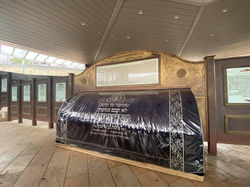
The Rambam’s kever in Tiberias has become a place where many come to pray for healing and strength. People gather there to learn his Torah, say Tehillim, and pour out their hearts to Hashem, asking that healing come in the merit of a life devoted to wisdom, compassion, and service. The practice follows a clear derech taught by Chazal, praying only to Hashem while asking that the merit of the tzaddik stand as support.
In this Prayer Trek, tefillah is paired with learning and intention. Tzedakah is given, followed by Tehillim for refuah shlema and personal prayer for the choleh, mentioned by Hebrew name with mother’s name. Some also dedicate a small limud from the Rambam’s writings, offering Torah as a zechut for healing and restoration.
This Prayer Trek may be chosen during illness, medical treatment, recovery, or times when strength feels diminished. It does not promise immediate outcomes. It offers steadiness, wisdom, and alignment with a path that honors both spiritual trust and practical care. Healing is asked for with humility, patience, and deep reliance on Hashem’s knowledge of what is needed.
Your prayers are received with dignity and care. They are supported through Torah, intention, and compassion, and placed gently before Hashem, the true Healer of all flesh.